A dead-looking pothos on a windowsill is one thing. A six-foot tree browning in the corner of your office is a different kind of depressing, and it happens fast when you pick a tree that quietly hates your room.
The good news: plenty of genuinely tree-like plants work as indoor trees for home office spaces, and they handle the classic office setup, which usually means one window, air conditioning, and a person who waters on a “when I remember” schedule. I’ll go through twelve that actually hold up, with light and watering details, plus a pet-safety note for each since a surprising number of popular indoor trees are mildly toxic to cats and dogs.
What are the best indoor trees for a home office?
The best indoor trees for a home office are the money tree, kentia palm, and parlor palm for low-light rooms and pet owners, the dragon tree and rubber plant for bright indirect light, and the yucca for sunny windows. The money tree tops the list because it survives missed waterings and dry air-conditioned air, stays 3 to 6 feet tall indoors, and is non-toxic to cats and dogs according to the ASPCA.
Quick comparison: indoor trees for home office use
| Tree | Light | Typical indoor height | Watering | Pet safe? |
|---|---|---|---|---|
| Money tree | Bright indirect | 3–6 ft | Every 1–2 weeks | Yes |
| Kentia palm | Low to bright indirect | 5–8 ft (slow) | Every 1–2 weeks | Yes |
| Parlor palm | Low to medium | 2–4 ft | Every 1–2 weeks | Yes |
| Dragon tree | Medium to bright indirect | 4–6 ft | Every 2 weeks | No (cats, dogs) |
| Rubber plant | Bright indirect | 6–8 ft with pruning | Weekly | No (cats, dogs) |
| Weeping fig | Bright indirect | 4–6 ft | Weekly | No (cats, dogs) |
| Yucca | Direct to bright | 4–8 ft | Every 2–3 weeks | No (cats, dogs) |
| Fiddle leaf fig | Bright indirect | 6+ ft | Weekly | No (cats, dogs) |
| Umbrella plant | Bright indirect | 4–6 ft | Weekly | No (cats, dogs) |
| Majesty palm | Bright indirect | 4–6 ft | Keep evenly moist | Yes |
| Bird of paradise | Bright to direct | 5–6 ft | Weekly | No (cats, dogs) |
| Olive tree | 6+ hrs direct sun | 3–5 ft in pots | Every 1–2 weeks | Not on ASPCA lists |
One honest caveat before the list: most of the “toxic” entries cause drooling or stomach upset if a pet chews the leaves, not emergencies. But if your cat treats every plant like a salad bar, stick to the top three.
1. Money tree (Pachira aquatica)
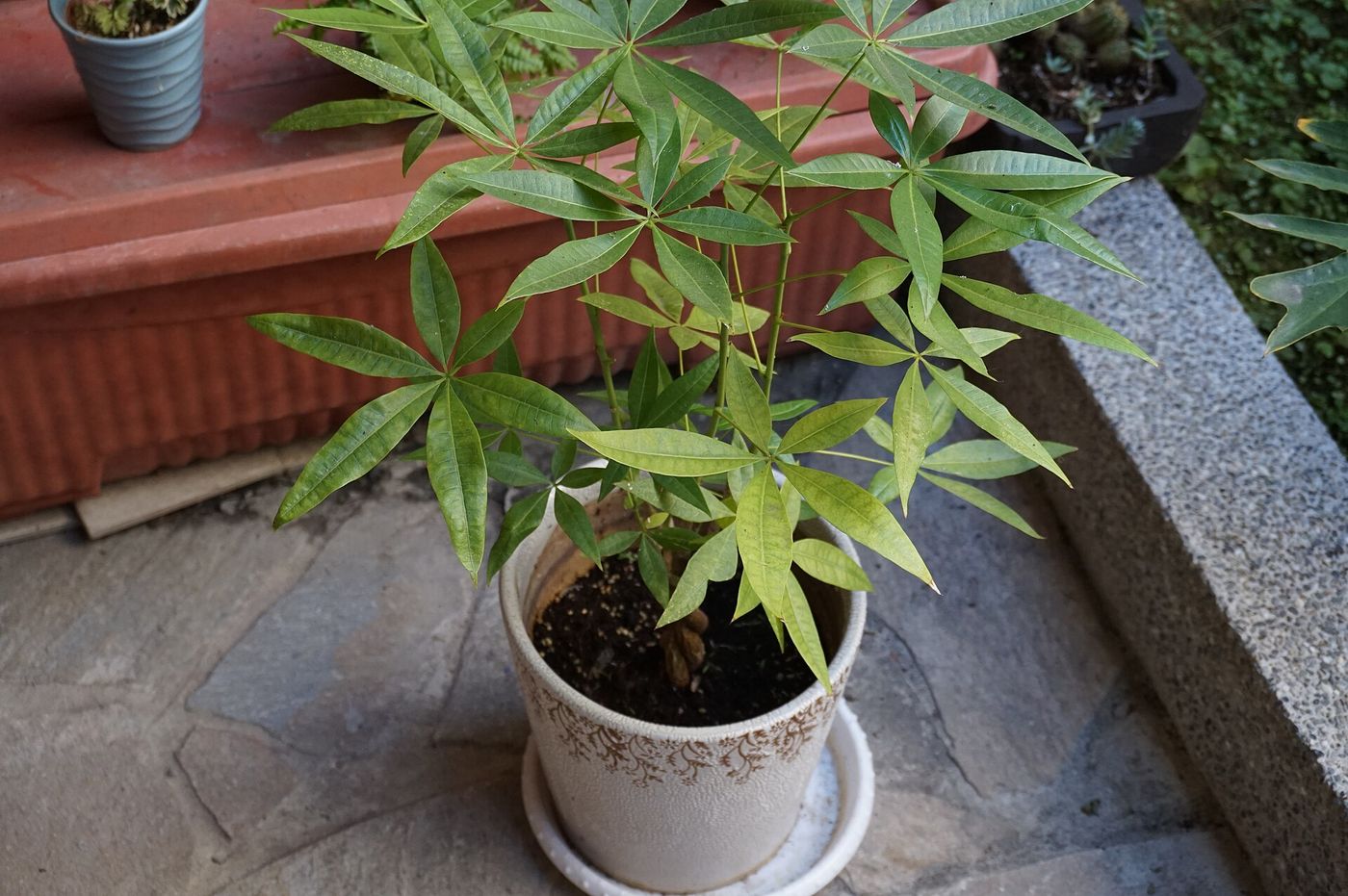
If you want one tree that forgives inconsistency, this is it, which is why it tops most indoor trees for home office lists. The money tree tolerates dry, air-conditioned rooms, doesn’t sulk when you skip a watering, and usually stays between three and six feet tall indoors. The braided-trunk versions you see everywhere are several plants woven together when young, which is why they look fuller than single-stem ones.
Water when the top couple of inches of soil dry out, roughly every one to two weeks, and give it bright indirect light. It can survive in lower light, but growth gets slow and leggy. It’s also one of the few tree-scale houseplants listed as non-toxic to both cats and dogs, which is why it tops almost every “office plants for pet owners” list, including this one.
2. Kentia palm (Howea forsteriana)
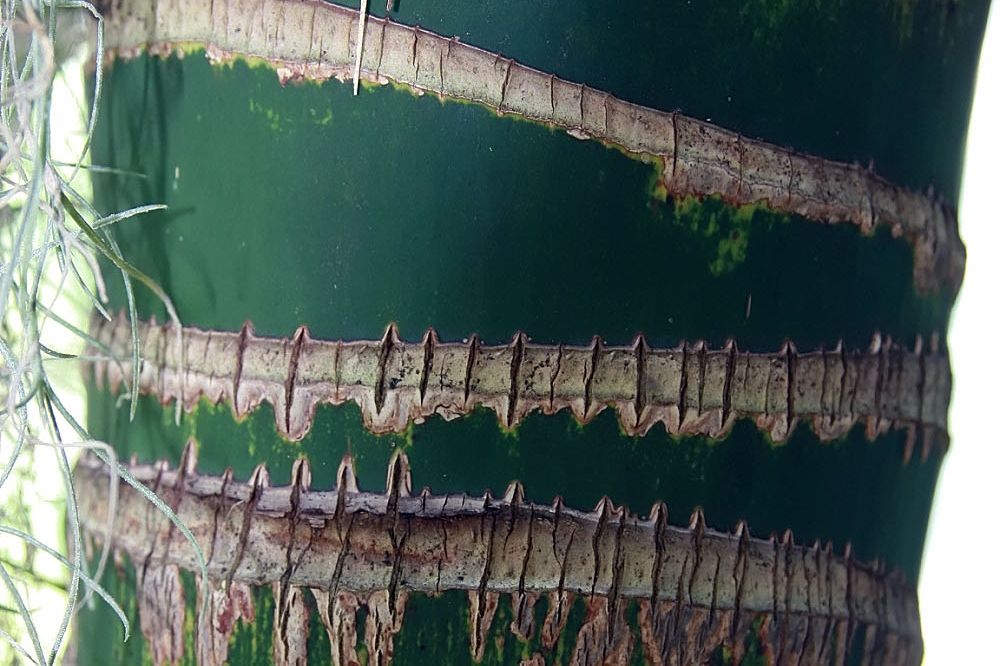
The kentia palm is the slow-burn option, and it is a favorite among indoor trees for home office corners that never quite get direct sun. It handles lower light than almost any other palm, grows slowly enough that it won’t outgrow your corner for years, and brings that soft, arching-frond look that fits a home office better than most spiky plants. Victorian-era interiors were full of these for a reason.
Let the top inch or two of soil dry between waterings. The main thing that kills a kentia is soggy soil, not neglect. Indoors you’re looking at five to eight feet over many years, and it’s non-toxic to cats and dogs, so it’s another safe pick if your office doubles as a pet’s territory.
3. Parlor palm (Chamaedorea elegans)
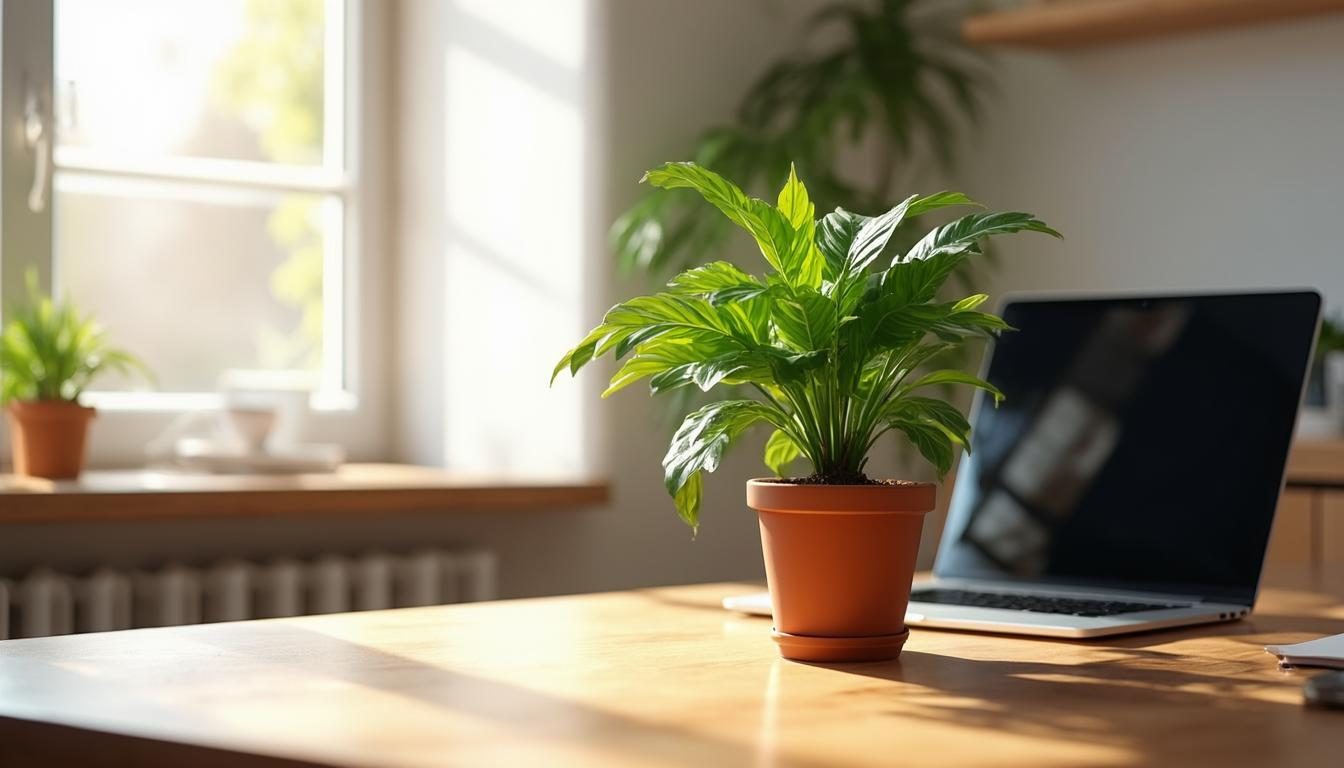
Smaller cousin of the kentia and even more tolerant. Parlor palms handle north-facing windows and dim corners that would starve most plants, topping out around two to four feet indoors. If your office gets decent light but not much of it, this is the tree-shaped plant most likely to survive.
Same care rhythm as the kentia: water when the surface dries, don’t let it sit in a wet saucer. Non-toxic to pets.
4. Dragon tree (Dracaena marginata)
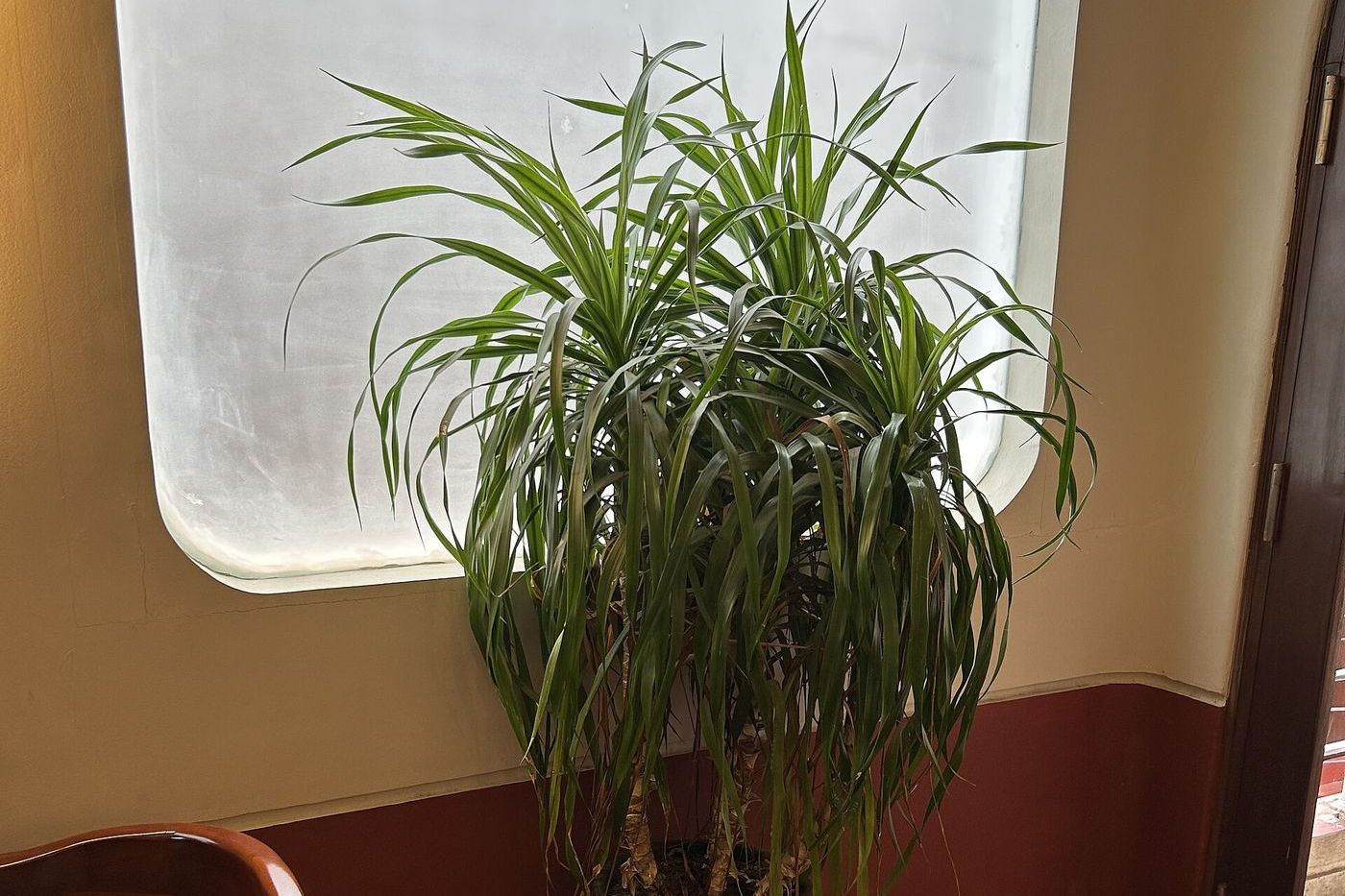
Sculptural, architectural, and almost deliberately low-maintenance. A dragon tree grows a bare cane topped with spiky rosettes, so it reads as “tree” even at modest sizes, and it handles a missed watering or two with no complaints. Four to six feet indoors is typical, and it prefers medium to bright indirect light, though it tolerates less.
Two things worth knowing: it’s sensitive to fluoride in tap water, which shows up as brown leaf tips, and it’s toxic to cats and dogs if eaten. Filtered or distilled water fixes the first problem. The second one is a dealbreaker only if you have a chewer.
5. Rubber plant (Ficus elastica)
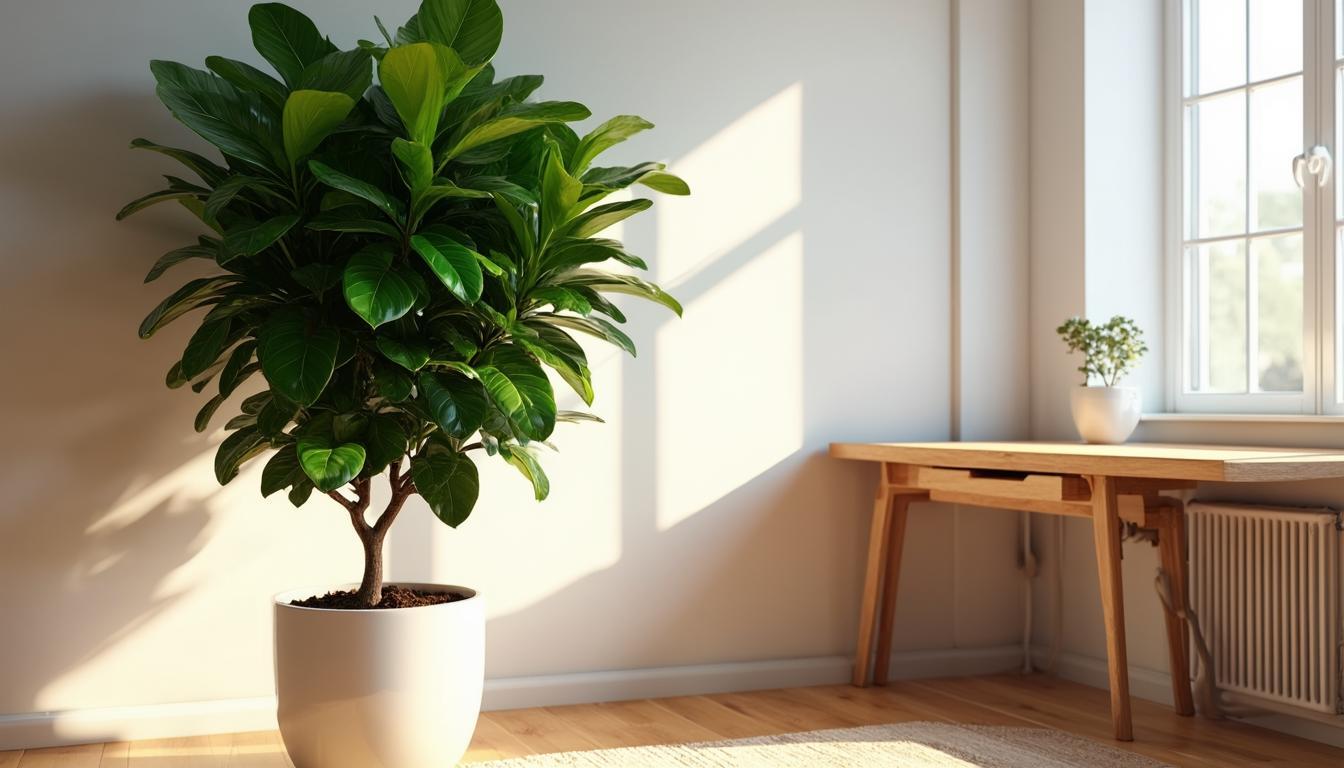
Fast grower, big glossy leaves, and it fills an empty corner faster than anything else on this list. Left alone, a rubber plant will push toward the ceiling; with an occasional pruning it stays a bushy six to eight feet. Bright indirect light keeps the leaves deep green, and weekly watering works for most homes. Wipe the leaves once in a while, since dust genuinely slows them down.
The milky sap is a skin and eye irritant, so gloves when pruning. Keep it out of reach of pets that chew leaves; it has no official ASPCA listing, but related figs cause mouth irritation in animals.
6. Weeping fig (Ficus benjamina)
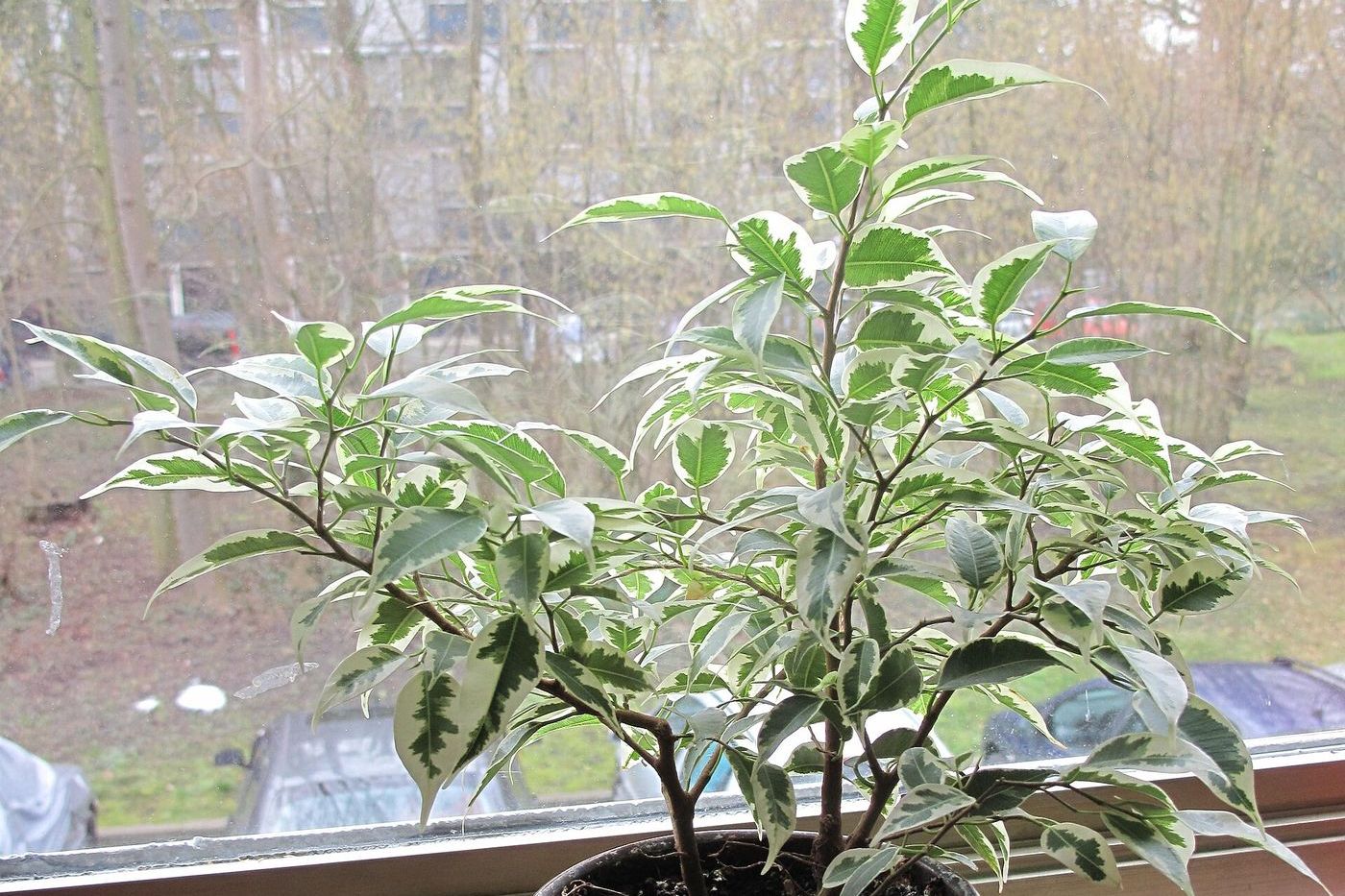
The classic indoor tree, and the most dramatic. A weeping fig looks like a full-sized tree shrunk down, with a woody trunk and a canopy of small leaves. The catch is that it hates change. Move it to a different spot, blast it with AC, or open a cold window nearby and it responds by dropping a startling number of leaves, sometimes over days.
If your office layout is stable and it has a bright spot away from drafts, it settles in and grows happily for years at four to six feet. Water weekly when the topsoil dries. Toxic to cats and dogs if chewed.
7. Yucca (Yucca gigantea)
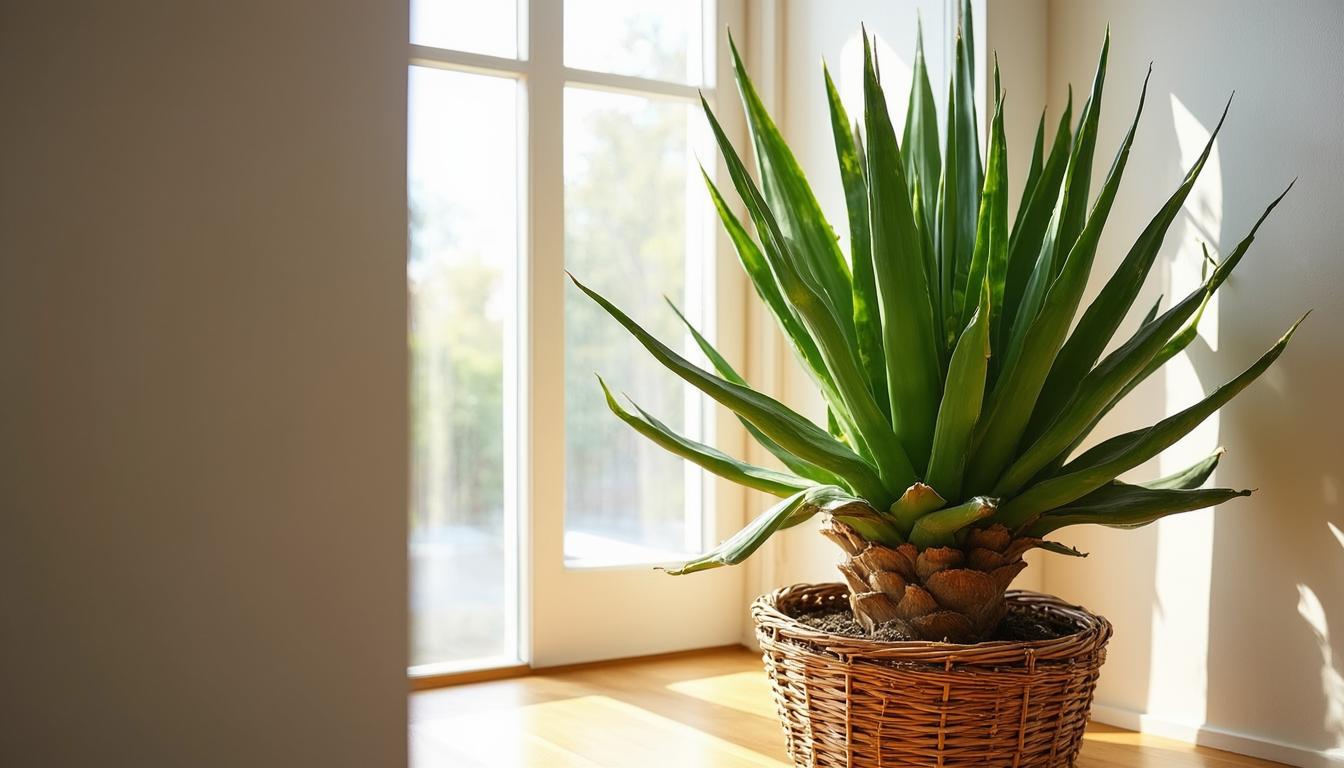
The sun-lover that doubles as a tree. A spineless yucca grows a thick woody trunk with a burst of sword-like leaves on top, and unlike most indoor trees it’s happy with a few hours of direct sun, which makes it a good match for a desk pulled up next to a big window. It’s also nearly unkillable on the watering front; every two to three weeks is plenty, and overwatering is the usual cause of death.
Indoors expect four to eight feet over time. The leaves are sharp-ish at the tips, so maybe not the best choice right next to your keyboard. Toxic to cats and dogs if eaten.
8. Fiddle leaf fig (Ficus lyrata)
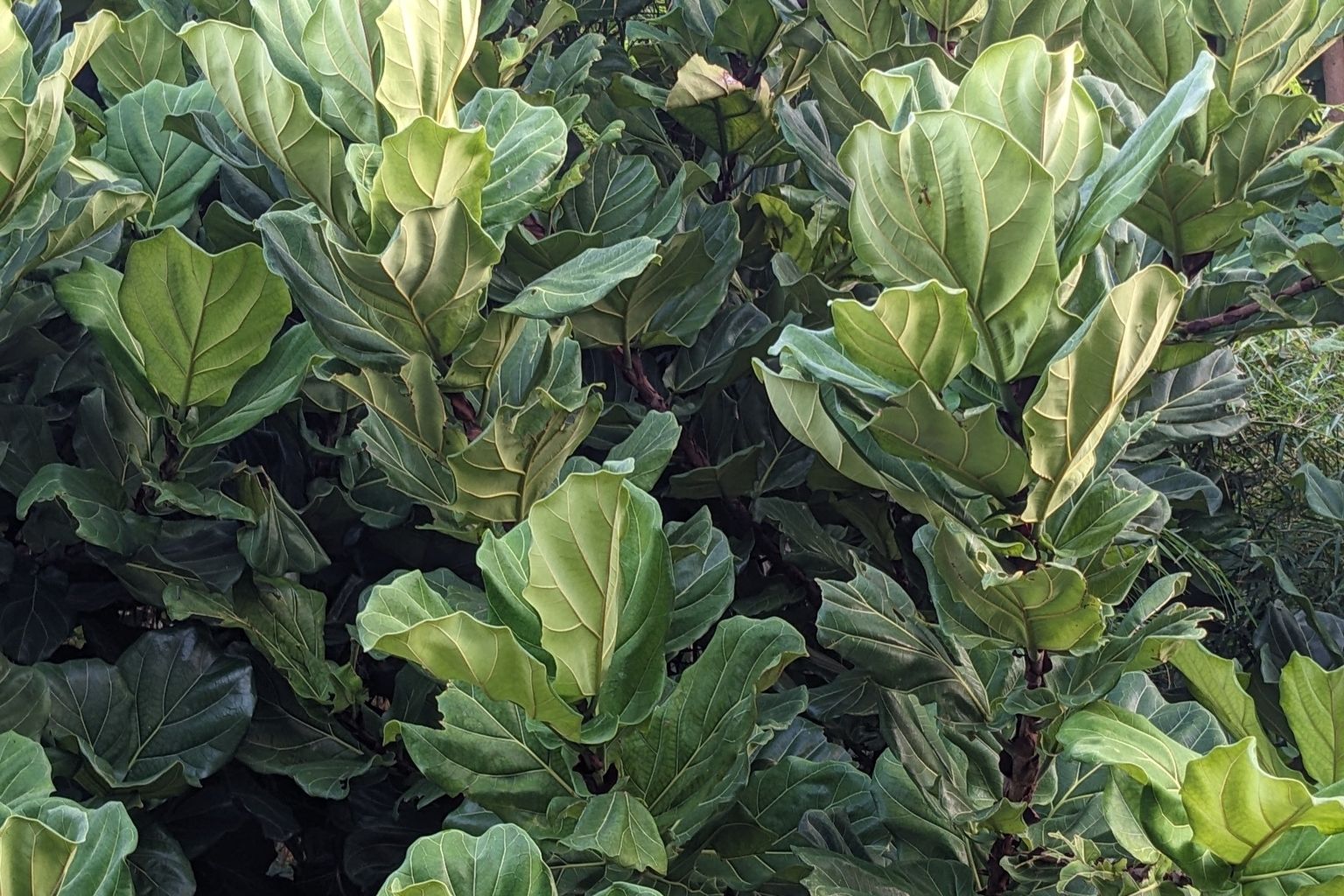
The Instagram-famous one, and I’ll be upfront: it’s the most demanding tree on this list. Fiddle leaf figs want bright indirect light, a consistent watering schedule, and above all, to not be moved. They also hate cold drafts, so that pretty corner next to the window that gets winter airflow is exactly where they decline.
Given a stable bright spot, they’re magnificent, growing six feet and beyond indoors with those huge violin-shaped leaves. Water weekly. Like most ficus, the sap is mildly irritating, so wash your hands after pruning and keep it away from pets that chew leaves.
9. Umbrella plant (Schefflera)
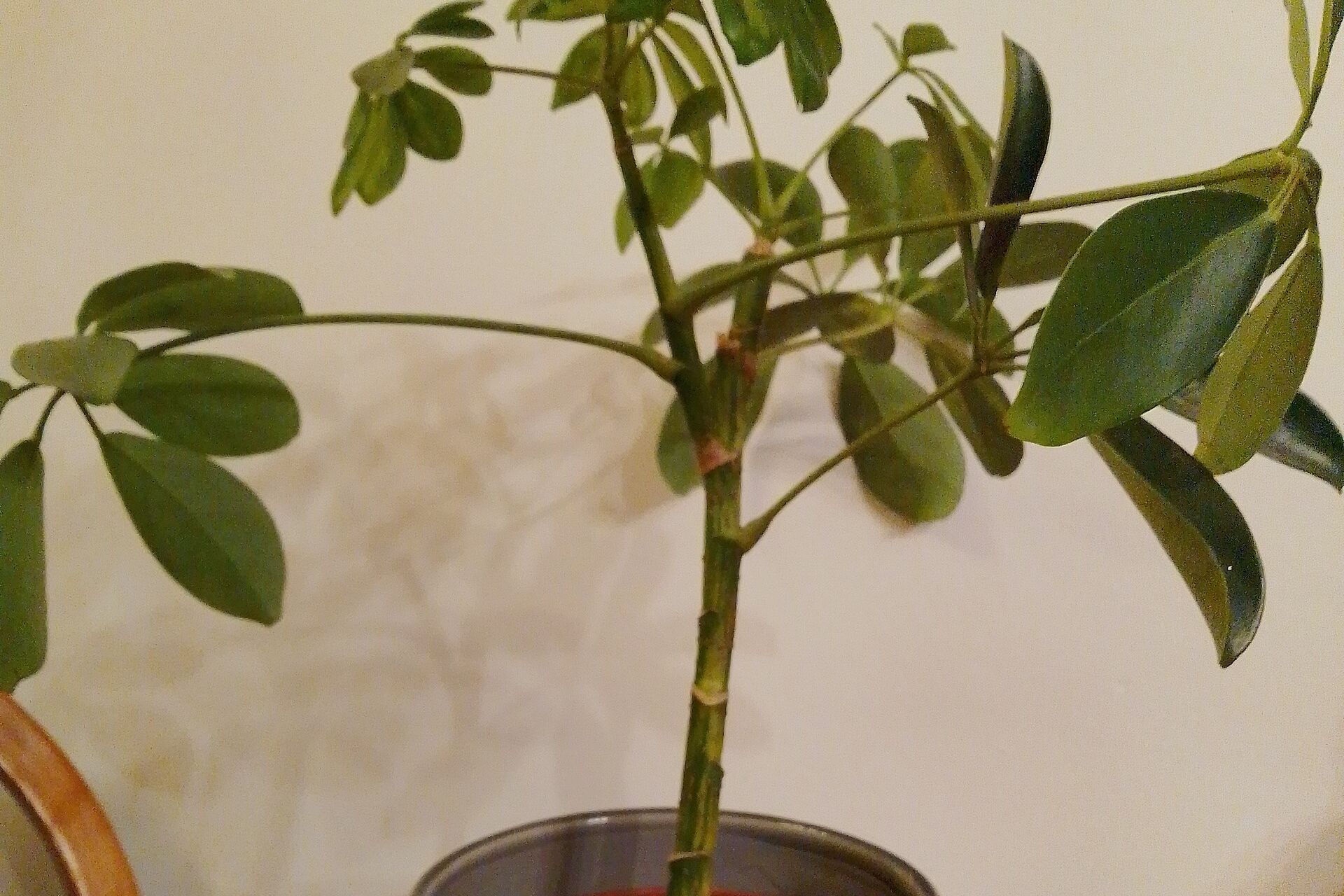
Cheerful, fast, and easy to shape. An umbrella plant grows clusters of rounded leaflets that fan out like, well, umbrellas, and it fills out into a small tree form with surprisingly little effort. Bright indirect light and weekly watering keep it happy; pinch the growing tips if you want it bushier instead of taller.
Four to six feet indoors is common. Toxic to cats and dogs if chewed, so same drill as the ficus family.
10. Olive tree (Olea europaea)
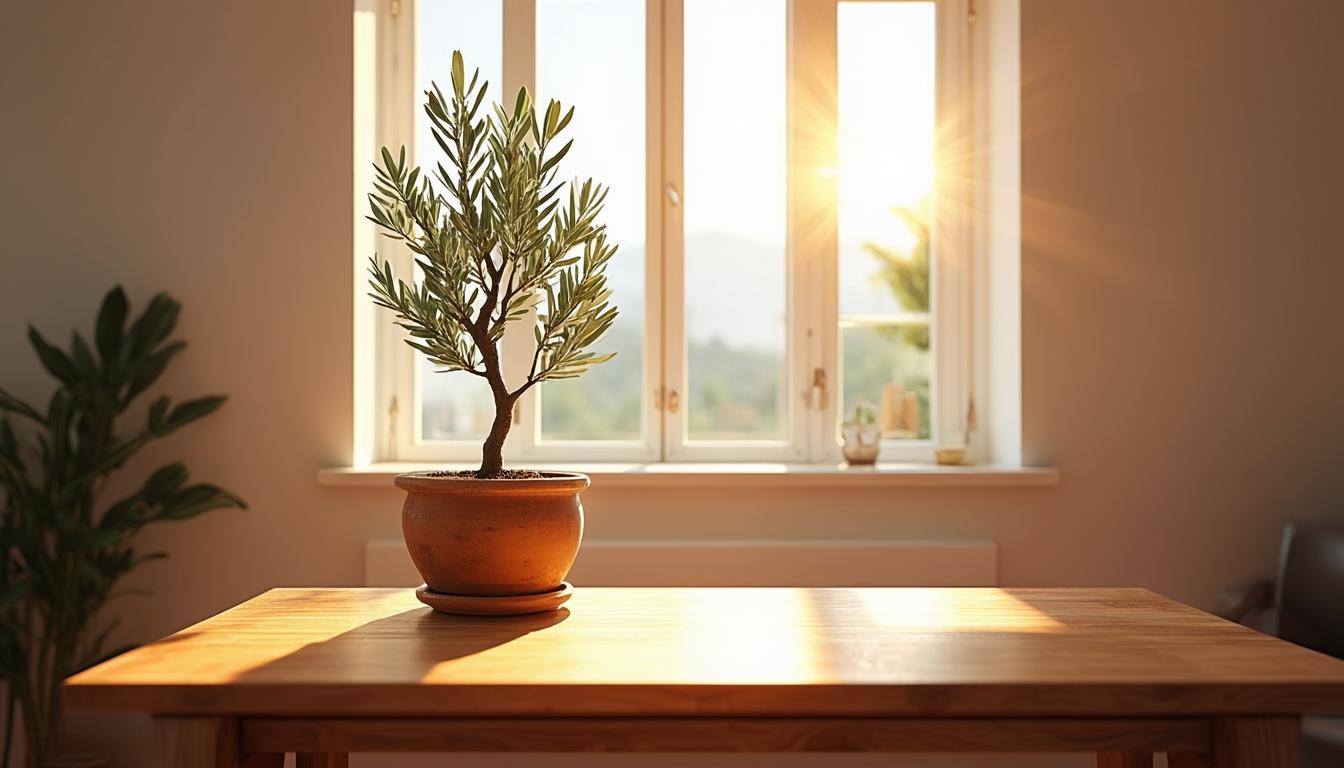
The premium pick, and the only one on this list I’d call conditional. Olive trees are genuinely beautiful indoors, silvery leaves and a gnarled Mediterranean trunk, and they don’t appear on the ASPCA’s toxic plant lists. But they’re a Mediterranean tree, and they need real sun: six or more hours of direct light, ideally a large south-facing window. A typical office window delivers a fraction of what they get outdoors, and an olive kept in mediocre light thins out and drops leaves over a season or two.
If your office actually gets blasted with sun, it’s the best-looking option here. Water when the top few inches dry out, roughly every one to two weeks. If your light is average, skip it and get the money tree.
11. Bird of paradise (Strelitzia nicolai)
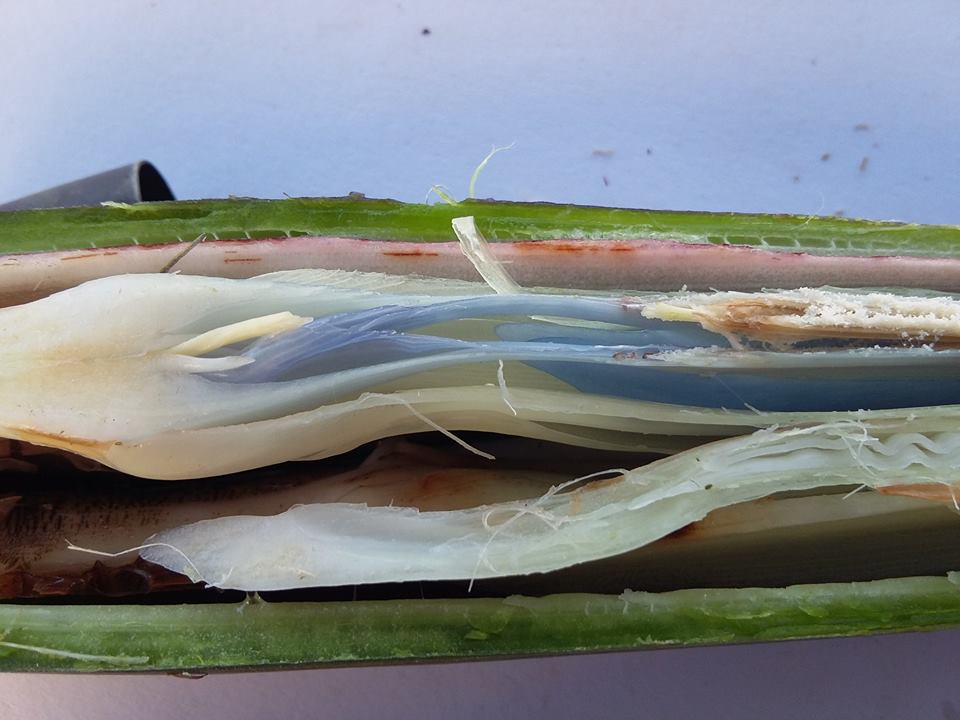
The giant of the group. The large bird of paradise is really a banana relative, with paddle-shaped leaves on thick stems that read as a proper indoor tree at five to six feet. If your office has a genuinely bright spot, few plants make a stronger statement. It tolerates lower light than you’d expect for something this dramatic, but in dim rooms it stops growing new leaves, so don’t push it into a dark corner.
Water weekly in the growing season, less in winter, and let the top few inches dry between drinks. Wipe those big leaves monthly; they collect dust fast. Chewed leaves are irritating to cats and dogs, so it’s a keep-it-out-of-reach plant.
12. Majesty palm (Ravenea rivularis)
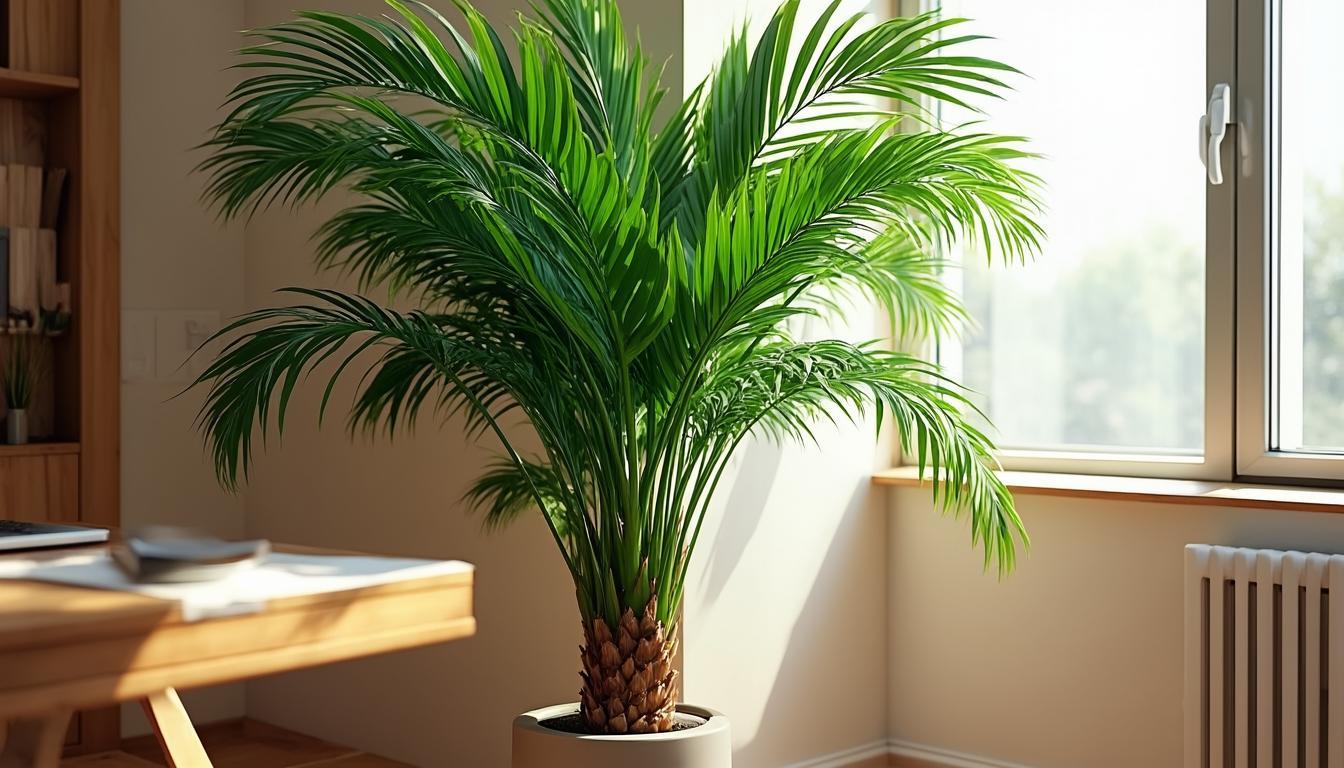
The budget palm that fills every big-box store each spring. A majesty palm gives you the full arching-frond palm look at a low price, and it’s one of the few palms that’s happy with consistent indoor moisture rather than a drought cycle. Bright indirect light and soil that never quite dries out suit it best, which makes it a decent match for an office you keep heated and watered on a schedule.
Honest caveat: it’s the fussiest palm on this list about care consistency. Let it dry out completely twice in a month and the fronds start browning from the tips. If your watering is unreliable, the kentia palm costs more upfront and costs less in the end. Non-toxic to cats and dogs.
Do indoor trees purify the air in your office?
No, not in any measurable way. The NASA Clean Air Study from 1989 is real, but it tested plants in sealed chambers. You’ll see it mentioned in half the articles about office plants, so let’s be accurate about what it said. NASA’s 1989 study, run by Wolverton and his team, did find that certain plants and their root soil absorbed volatile organic compounds, but in sealed test chambers, at plant densities you’ll never reach in a real room. A 2019 review in the Journal of Exposure Science and Environmental Epidemiology translated those chamber results into real-world numbers: you’d need somewhere between 10 and 1,000 plants per square meter of floor space to meaningfully compete with ordinary building ventilation.
Plants in your office are still worth it, for how the space looks and feels, and any indoor trees for home office use will change the room more than a shelf of succulents ever will. Just not because they’re scrubbing your air in any measurable way.
How do you keep indoor trees alive in a busy home office?
- Match the tree to your light first. It matters more for indoor trees for home office use than almost anything else. Everything else is adjustable; light isn’t. A north window rules out the ficus family no matter how much you want one.
- Water less than you think. Most indoor trees die from wet feet, not thirst. If in doubt, wait two more days and check the soil with your finger.
- Turn it occasionally. Plants lean toward the window. A quarter turn every couple of weeks keeps them even.
- Dust the leaves monthly. It’s not cosmetic. Dust blocks light, and your tree is photosynthesizing through those leaves.
- Keep it away from the AC vent. Cold drafts and temperature swings are behind more dead office plants than underwatering.
Which indoor tree should you buy for your home office?
Choosing indoor trees for home office rooms comes down to light, schedule, and pets. Pet-friendly office: money tree, kentia palm, or parlor palm. Low light: parlor palm, then kentia. Bright window with direct sun: yucca, or olive if you get six hours. Biggest statement piece: bird of paradise. Best cheap palm: majesty, if your watering is consistent. Best-looking with a bit of effort: rubber plant or dragon tree. The fiddle leaf fig is gorgeous and worth it only if your office is bright and your habits are consistent.
Frequently asked questions
What is the easiest indoor tree to keep alive in an office?
The money tree is the easiest. It tolerates missed waterings, dry air-conditioned air, and lower light better than most tree-scale houseplants, and it stays a manageable 3 to 6 feet tall indoors.
Which indoor trees are safe for cats and dogs?
The money tree, kentia palm, parlor palm, and majesty palm are non-toxic to cats and dogs according to the ASPCA. Most other popular indoor trees, including fiddle leaf figs, rubber plants, dragon trees, and yuccas, can cause mouth irritation and stomach upset if chewed.
What is the best indoor tree for a room with no windows?
The parlor palm is the best choice for a windowless room, and even it will need a grow light eventually. No tree survives on zero light long-term; the parlor palm simply lasts longest in dim conditions, typically two to four feet tall with slow growth.
How tall do indoor trees grow in pots?
Most indoor trees stay between 3 and 8 feet tall in pots over several years. Money trees and parlor palms stay smaller at 3 to 6 feet, while rubber plants and fiddle leaf figs can pass 6 feet without pruning. Outdoor heights are irrelevant; potted growth indoors is far slower and smaller.
How often should you water an indoor office tree?
Water most indoor trees every one to two weeks, letting the top two inches of soil dry out between waterings. Yuccas need water only every two to three weeks, while majesty palms prefer evenly moist soil. Overwatering kills more office trees than underwatering.
Are fiddle leaf figs good for home offices?
Only if your office is bright and your schedule is consistent. Fiddle leaf figs need stable bright indirect light, hate being moved, and react to cold drafts by dropping leaves. For most home offices, a money tree or rubber plant is the more forgiving choice.